rlreasoningoptimizer
Jean Kaddour, arXiv 2026
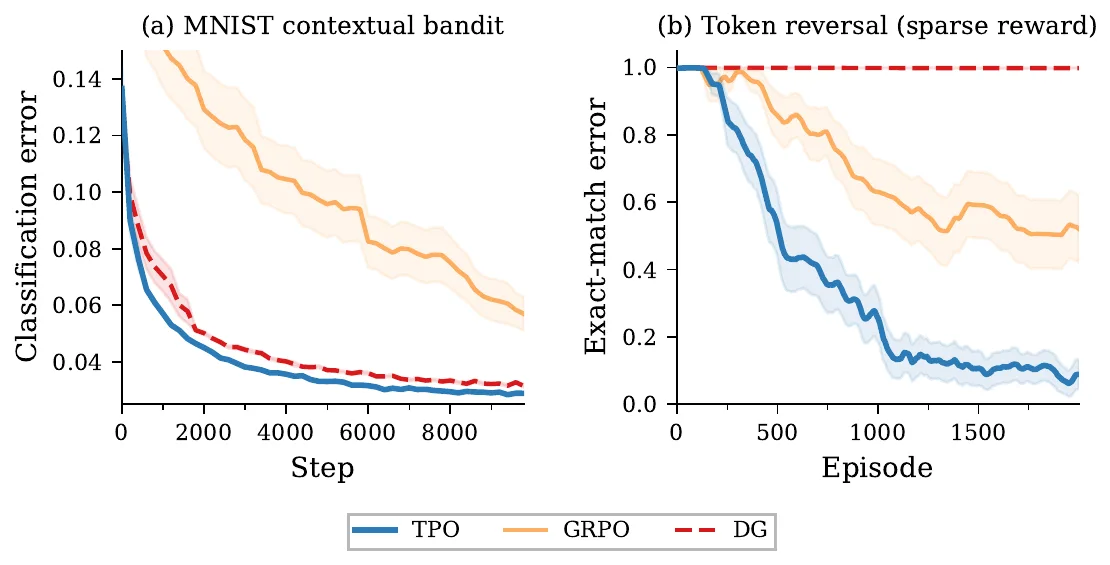
• What: Group-based RL via distribution matching, yielding a cross-entropy objective.
• Why: Policy gradients can cause updates to overshoot or undershoot.
• Trivia: Independently discovered by Tencent.



I'm a research scientist at Google DeepMind, working on the science of post-training. My research has spanned:
Jean Kaddour, arXiv 2026
• What: Group-based RL via distribution matching, yielding a cross-entropy objective.
• Why: Policy gradients can cause updates to overshoot or undershoot.
• Trivia: Independently discovered by Tencent.
Jean Kaddour, Srijan Patel, Gbètondji J-S Dovonon, Leo Richter, Pasquale Minervini, Matt J. Kusner, ICLR 2026 Trustworthy AI
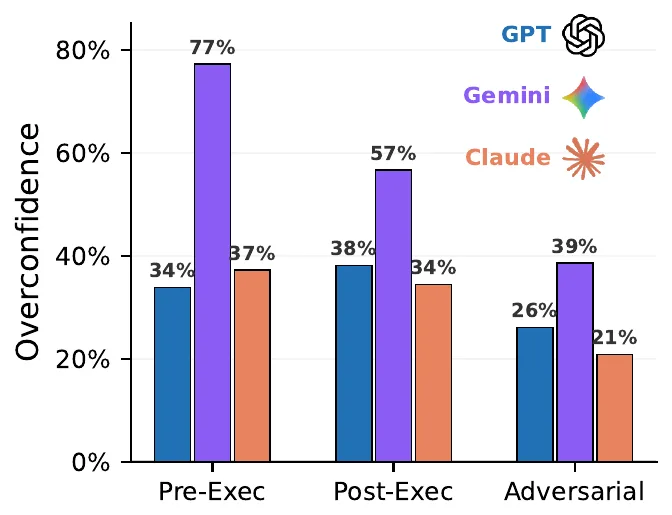
• What: Can agents predict whether they will succeed at a task?
• Why: Overconfident agents are dangerous.
Zafir Stojanovski, Oliver Stanley, Joe Sharratt, Richard Jones, Abdulhakeem Adefioye, Jean Kaddour†, Andreas Köpf†, NeurIPS 2025 (Spotlight, Top 2%)
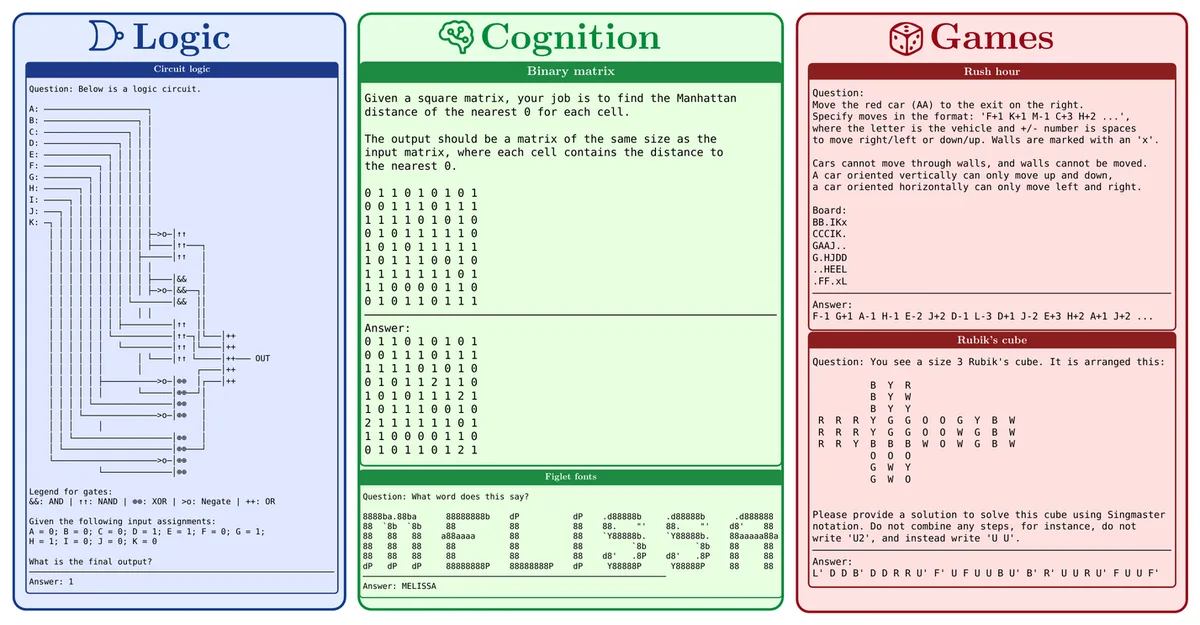
• What: 100+ RL envs across 8 domains with configurable complexity.
• Why: Generate virtually infinite training data with adjustable complexity, unlike most previous reasoning datasets, which are typically fixed
Jean Kaddour et al., Github (5.6k stars)
• What: A Python package with UI for building and debugging agents.
• Why: Debugging long-running agents in a terminal gets cumbersome.

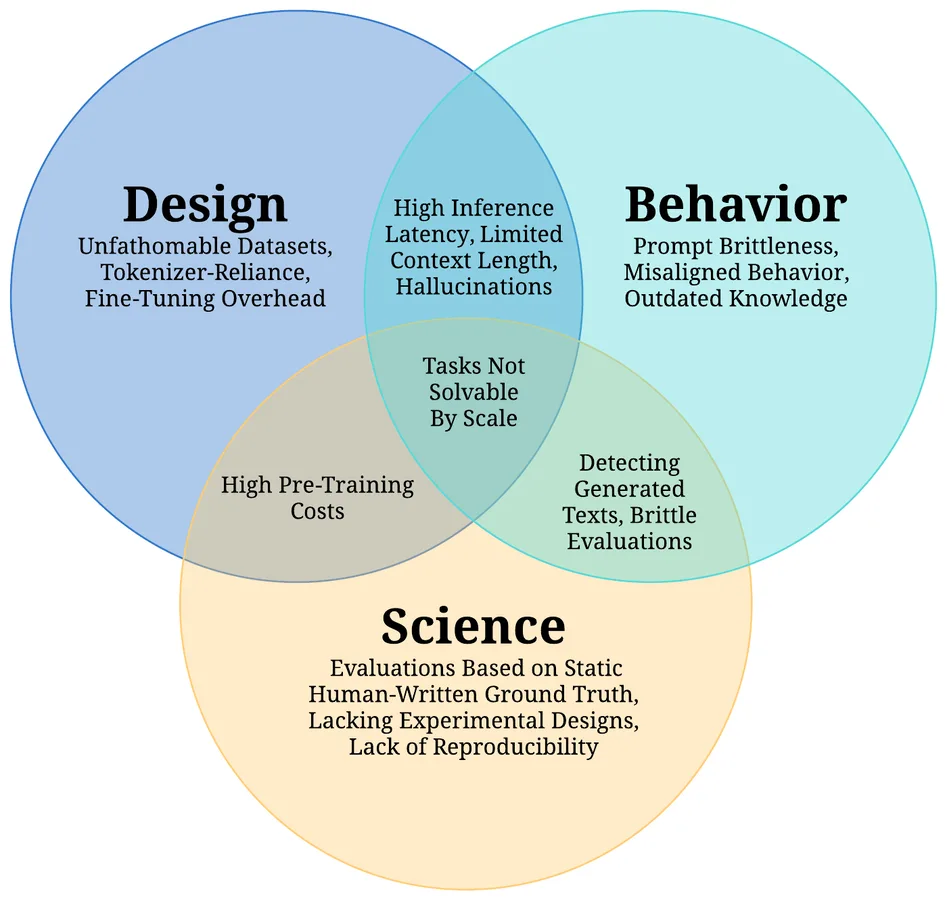
Jean Kaddour, Joshua Harris, Maximilian Mozes, Herbie Bradley, Roberta Raileanu, Robert McHardy, arXiv 2023
• What: A review of 16 challenges for LLMs.
• Why: The field is moving fast, hard to keep up with what's worth solving.
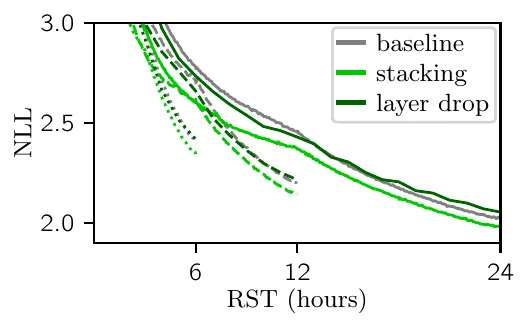
Jean Kaddour∗, Oscar Key∗, Piotr Nawrot, Pasquale Minervini, Matt J. Kusner, NeurIPS 2023
• What: A simple budget-aware LR scheduler outperforms most fancy efficient training methods.
• Why: Every day, there's a new training method; the ones we tried weren't that effective.
• Trivia: We started by trying some ideas that never outperformed our baseline; then realized that our baseline was quite competitive.
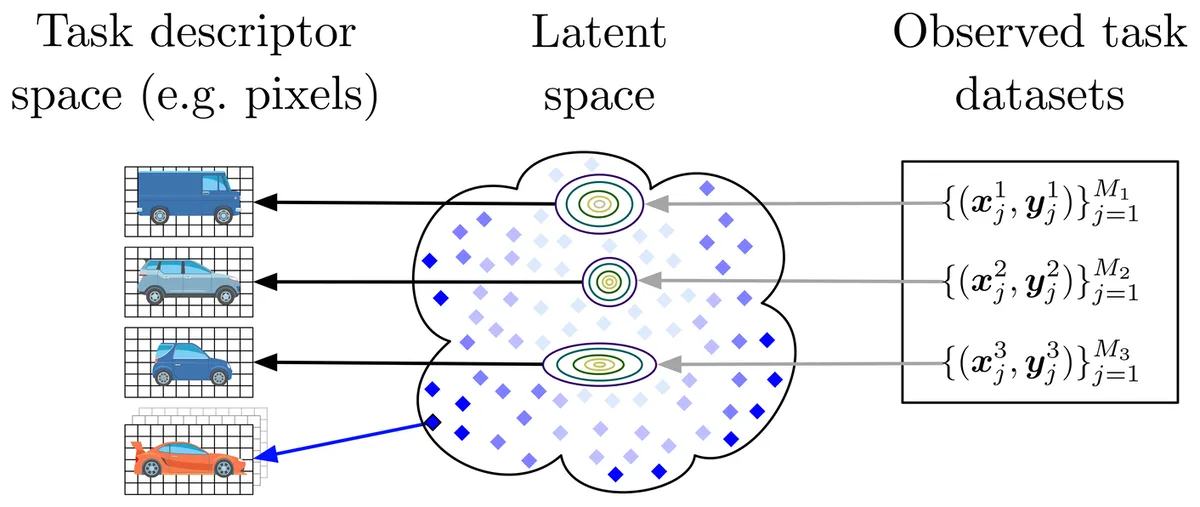
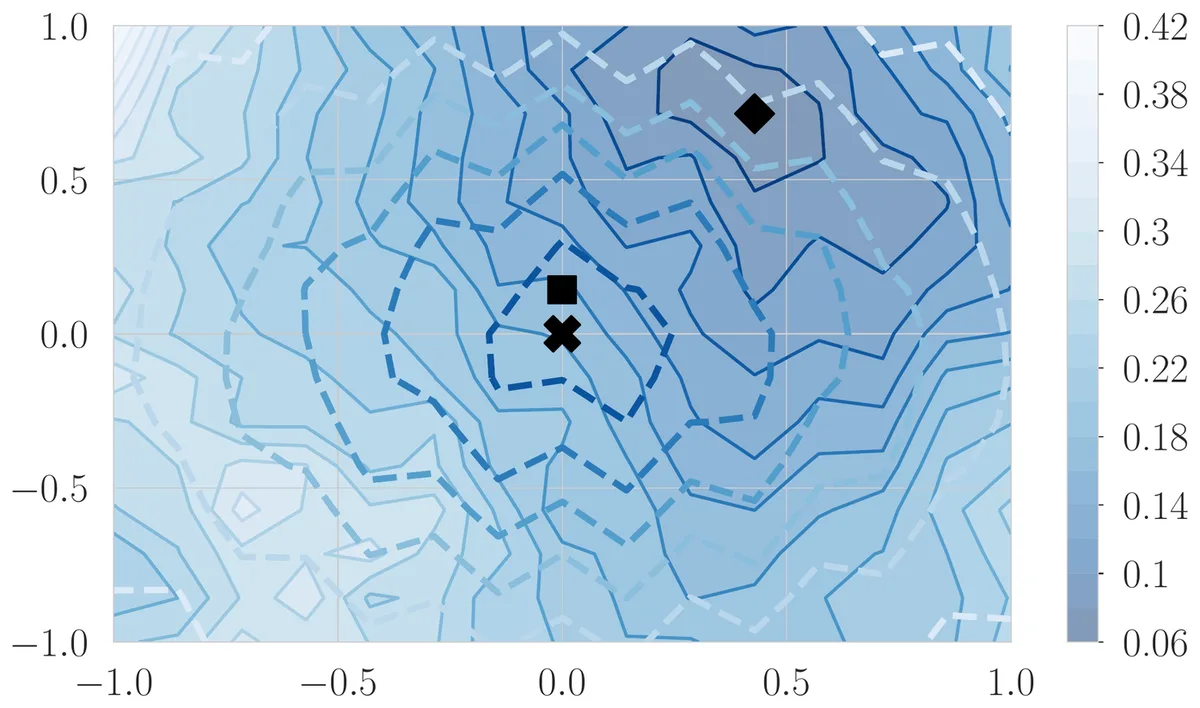
Jean Kaddour∗, Linqing Liu∗, Ricardo Silva, Matt J. Kusner, NeurIPS 2022
• What: We can find even flatter minima than SAM by adding weight averaging.
• Why: SAM finds flat basins; WA finds flat points inside those basins.
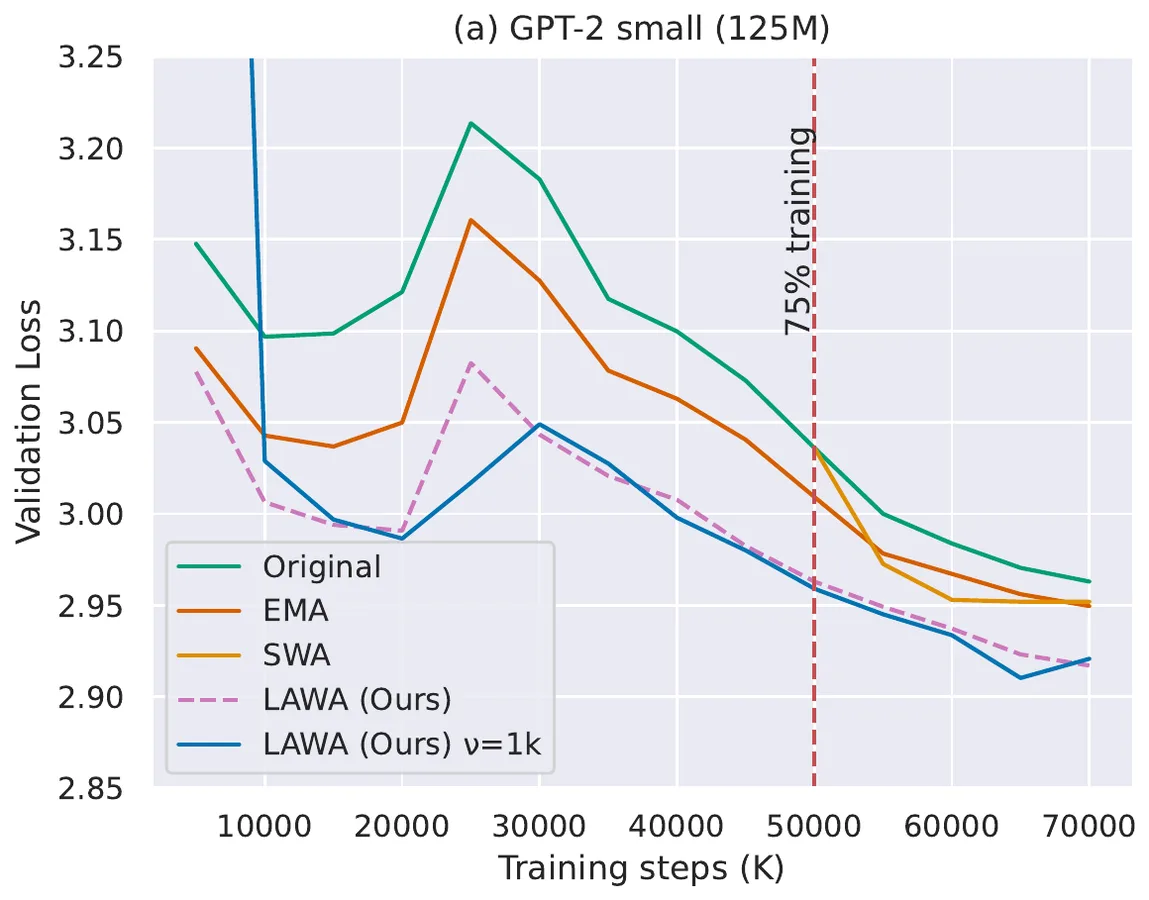
Sunny Sanyal, Atula Neerkaje, Jean Kaddour, Abhishek Kumar, Sujay Sanghavi, COLM 2024, NeurIPS 2023 WANT
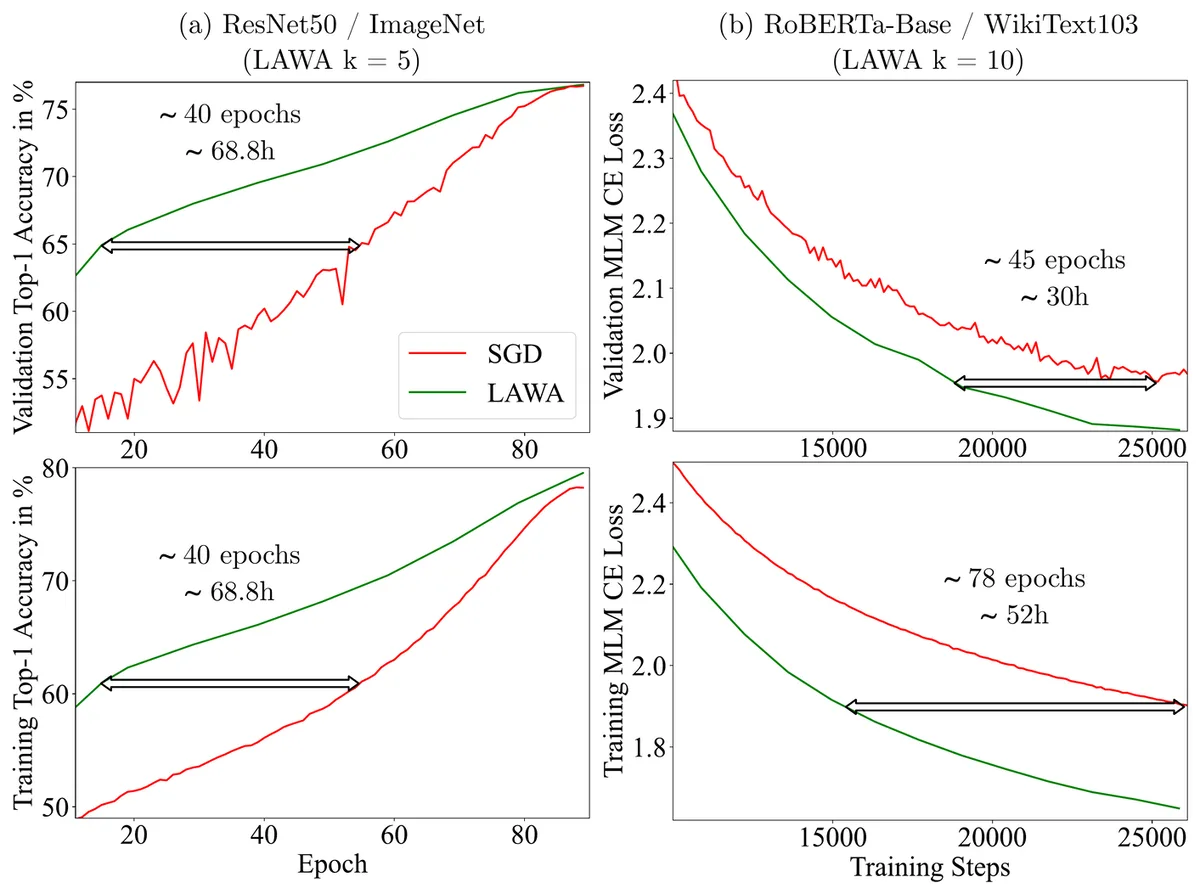
• What: We scale up LAWA (see below) to large models.
• Why: Large model training -> large batch sizes -> large LRs -> LAWA makes (even more) sense.
Jean Kaddour, arXiv 2023
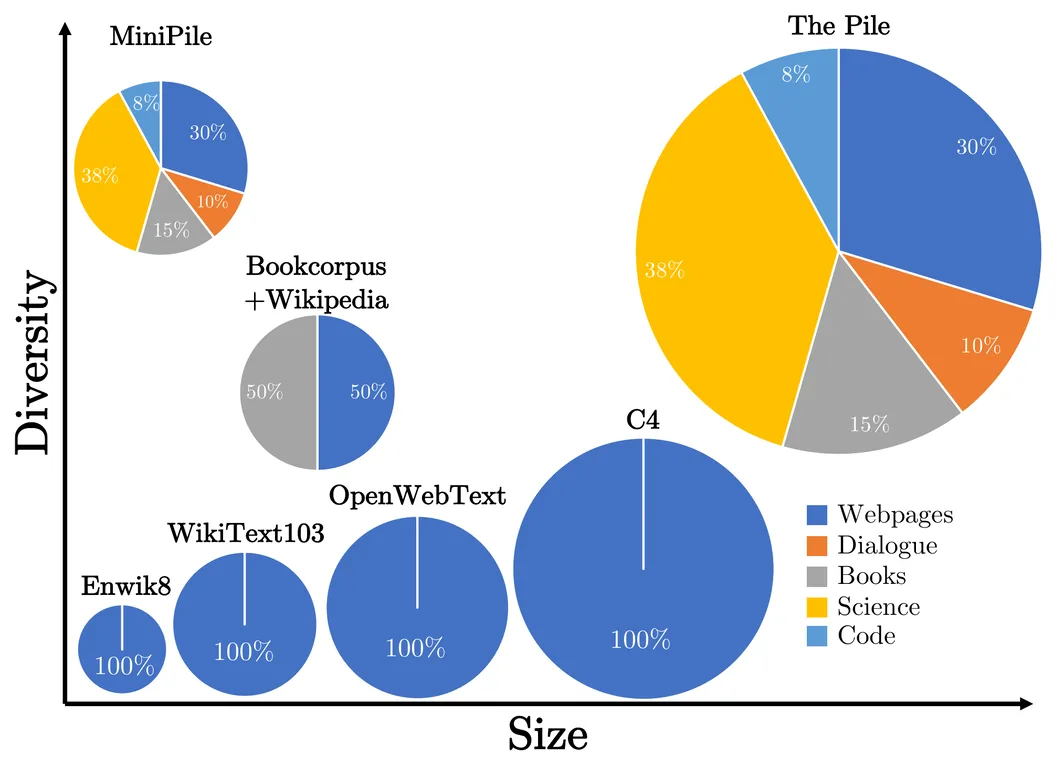
• What: Using embeddings and k-means, construct a small and clean yet diverse pretraining corpus.
• Why: The Pile is too large for GPU-poor academics.
Jean Kaddour, NeurIPS 2022 HIIT Workshop
• What: Weight averaging = implicit LR decay.
• Why: We can evaluate intermediate checkpoints pre-LR decay, which is much cheaper.
• Impact: Common practice in pre-training, e.g., NVIDIA, Bytedance Seed, and Olmo3.
Georgy Tyukin, Gbètondji J-S Dovonon, Jean Kaddour, Pasquale Minervini, arXiv 2024
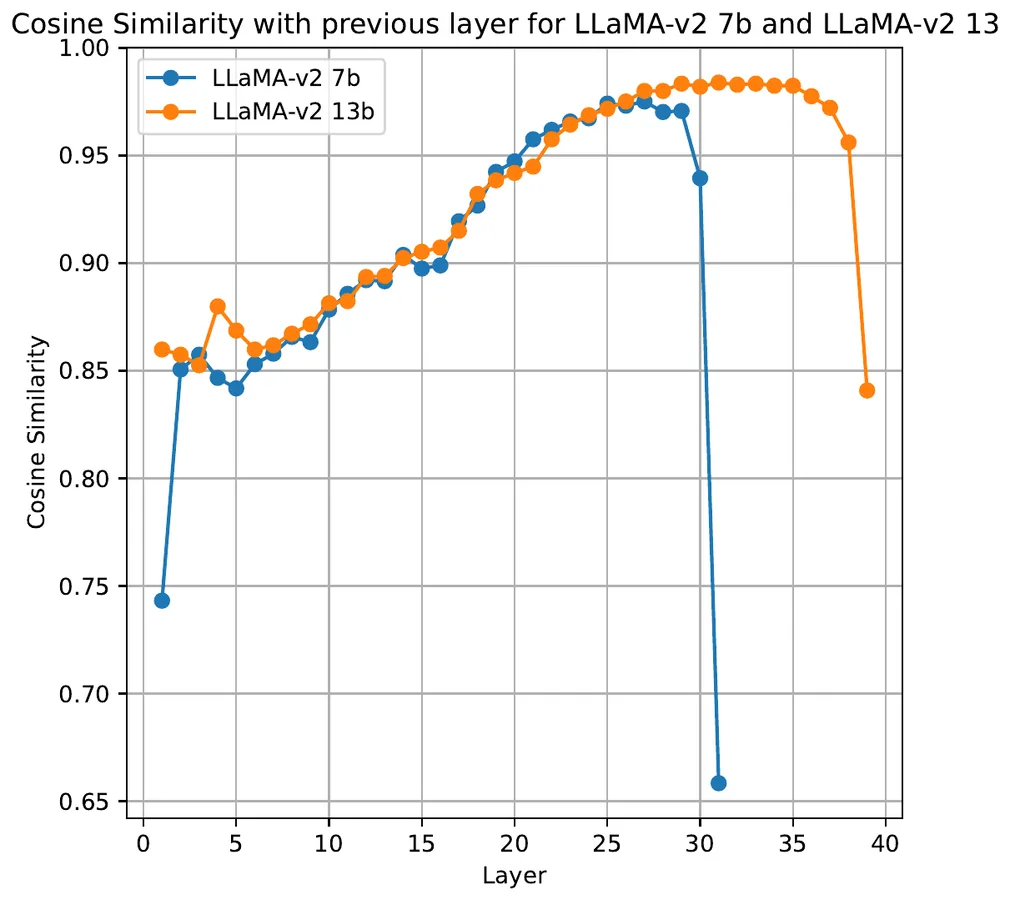
• What: We can remove up to 33% of the attention layers in Llama2 with negligible performance loss.
• Why: Removing attention layers makes inference faster and cheaper.
Oscar Key∗, Jean Kaddour∗, Pasquale Minervini, NeurIPS 2023 WANT
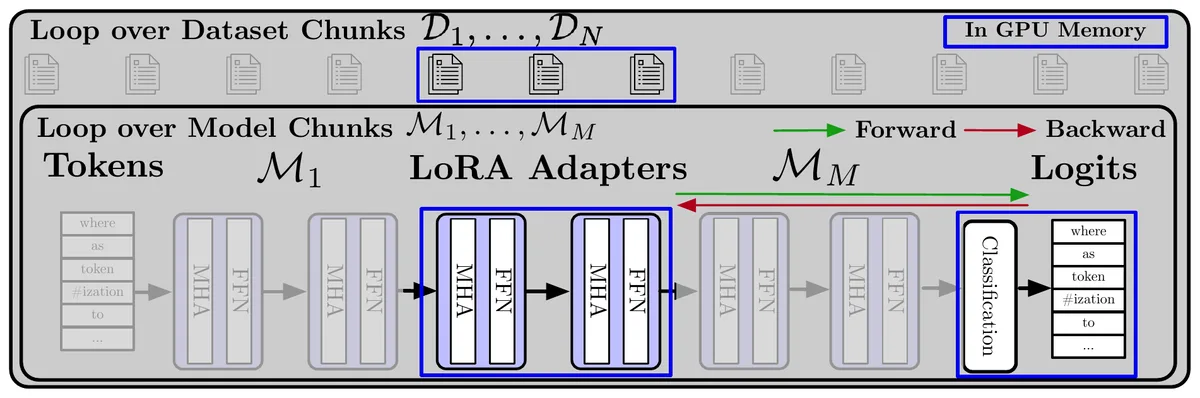
• What: A method for fine-tuning an arbitrarily large model chunk by chunk (in isolation).
• Why: Allowing the GPU-poor to fine-tune some LLMs too.
• Trivia: Inspired by distributed training techniques, adopted for single-GPU fine-tuning.
Jean Kaddour, Qi Liu, arXiv 2023
• What: Knowledge distillation via synthetic data generation after fine-tuning of the teacher.
• Why: Teachers are more sample-efficient; by fine-tuning them, we can generate synthetic data for students.

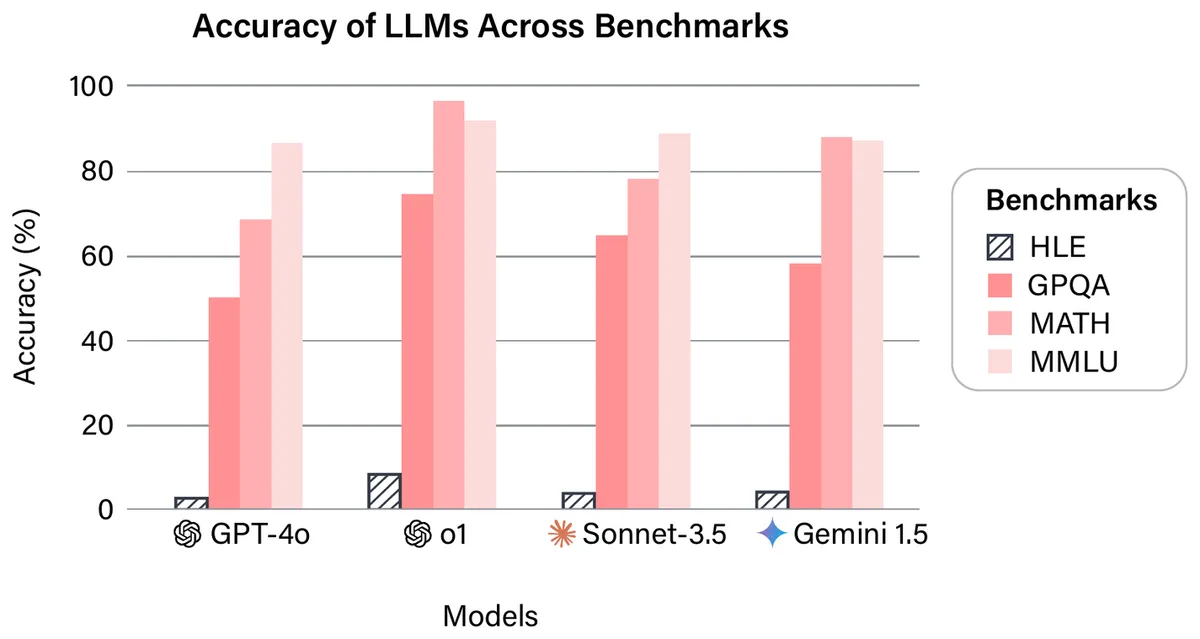
Long Phan et al. (incl. Jean Kaddour), arXiv 2025
• What: A really hard multiple-choice science benchmark for LLMs.
• Why: Previous benchmarks got hillclimbed quickly but this one will remain the last one standing, promised.
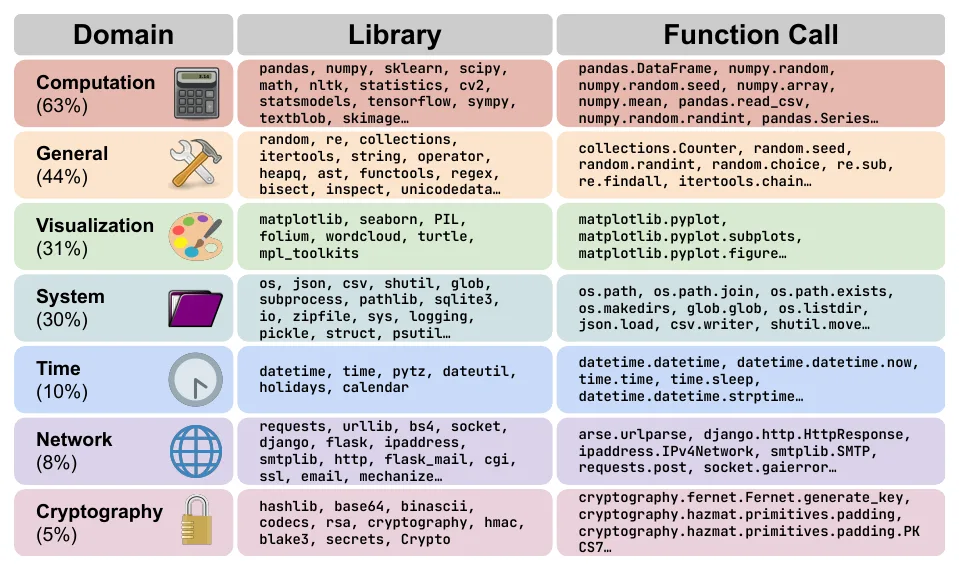
Terry Yue Zhuo, Minh Chien Vu, Jenny Chim, … Jean Kaddour, , ICLR 2025 (Oral, Top 2%)
• What: 1k+ diverse, multi-tool-use programming tasks in Python.
• Why: Other code benchmarks are too homogeneous and lacked tool calls.
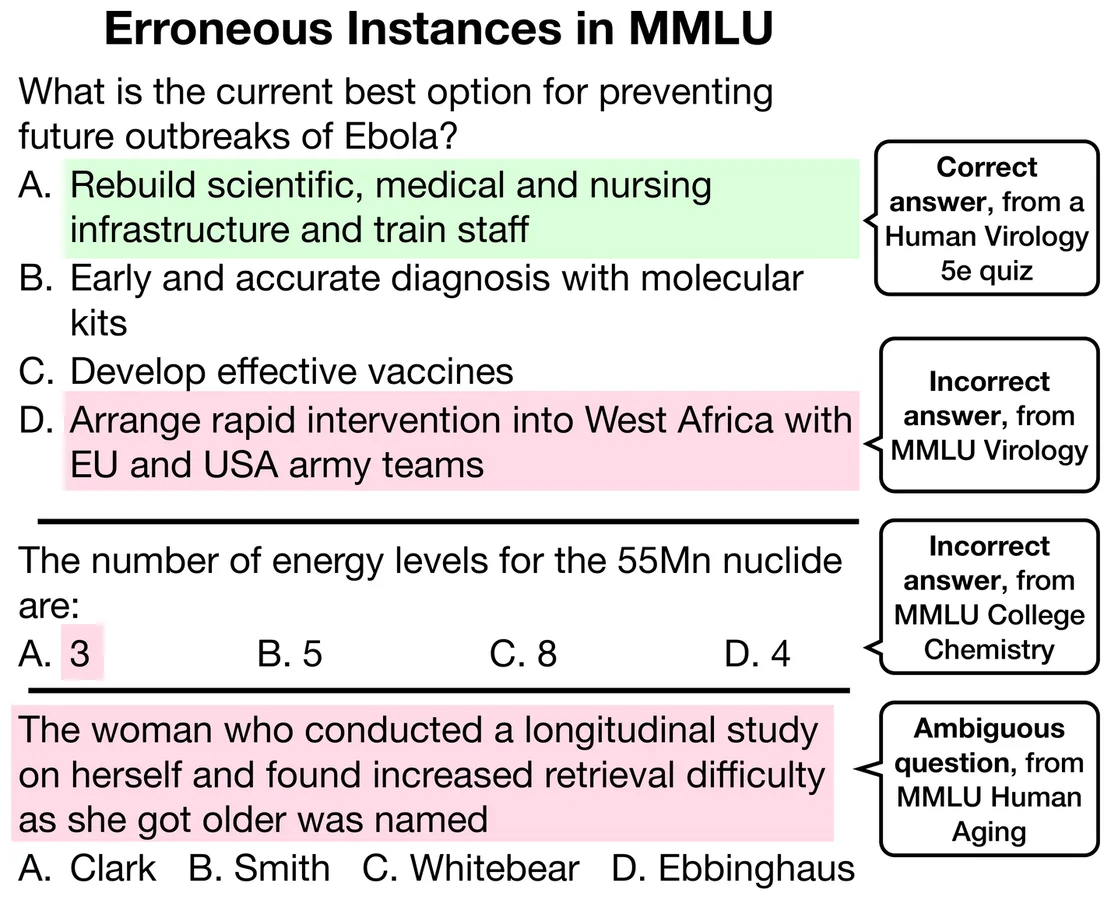
Aryo Pradipta Gema, Joshua Ong Jun Leang, Giwon Hong, … Jean Kaddour, , NAACL 2025
• What: We expose serious flaws in MMLU and release a smaller and cleaner version, MMLU-Redux.
• Why: MMLU is one of the most popular LLM benchmarks; better benchmarks, better models.
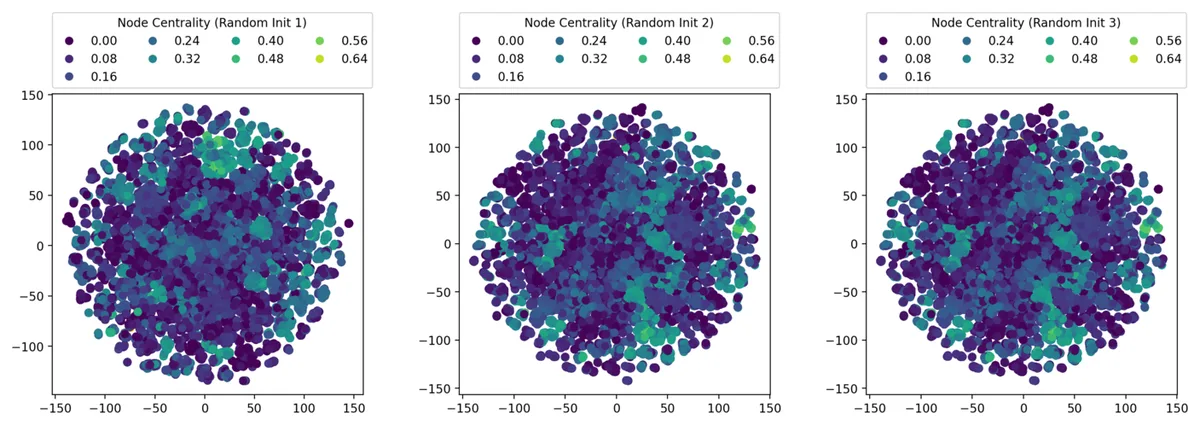
Hanchen Wang∗, Jean Kaddour∗, Shengchao Liu∗, Jian Tang, Joan Lasenby, Qi Liu, NeurIPS 2023
• What: A probing suite to profile molecular graph embeddings.
• Why: Downstream-only evaluations can be misleading; better probes yield more faithful assessments.
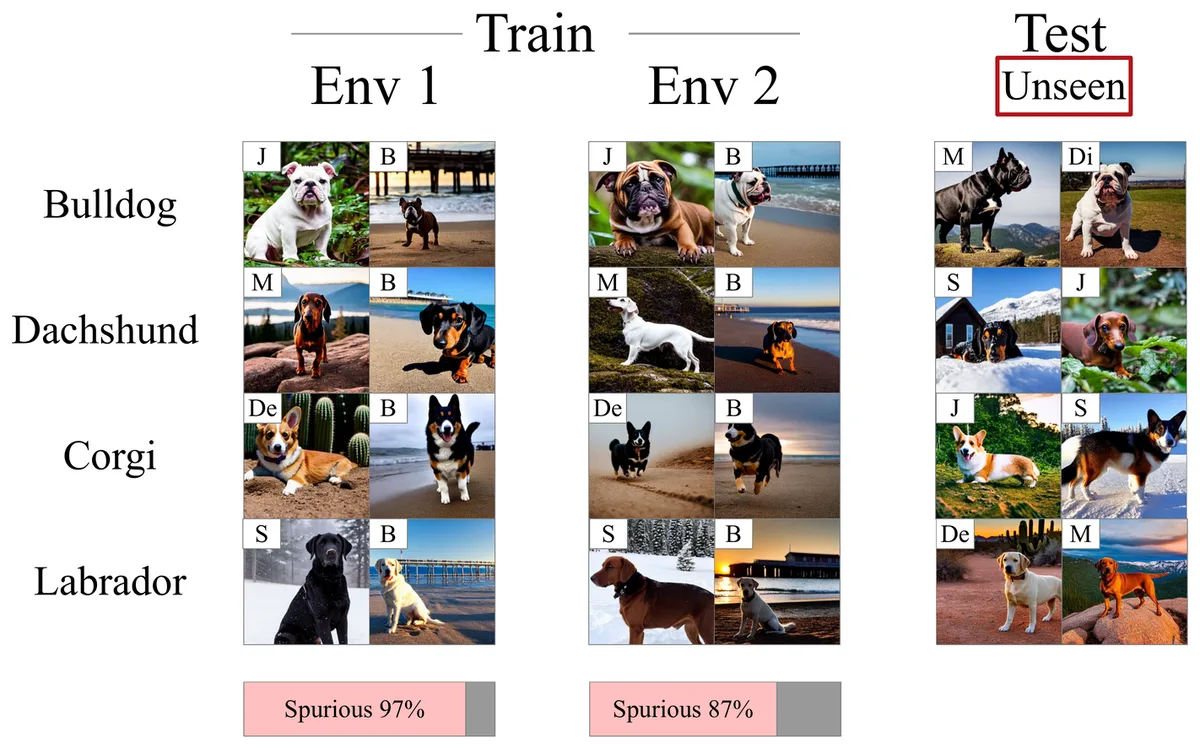
Aengus Lynch∗, Gbètondji J-S Dovonon∗, Jean Kaddour∗, Ricardo Silva, ICLR 2025 SCSL
• What: A vision dataset of cute dogs with spurious correlations between dog breeds and backgrounds.
• Why: Spurious correlations harm the reliability of vision models; previous benchmarks were too easy.
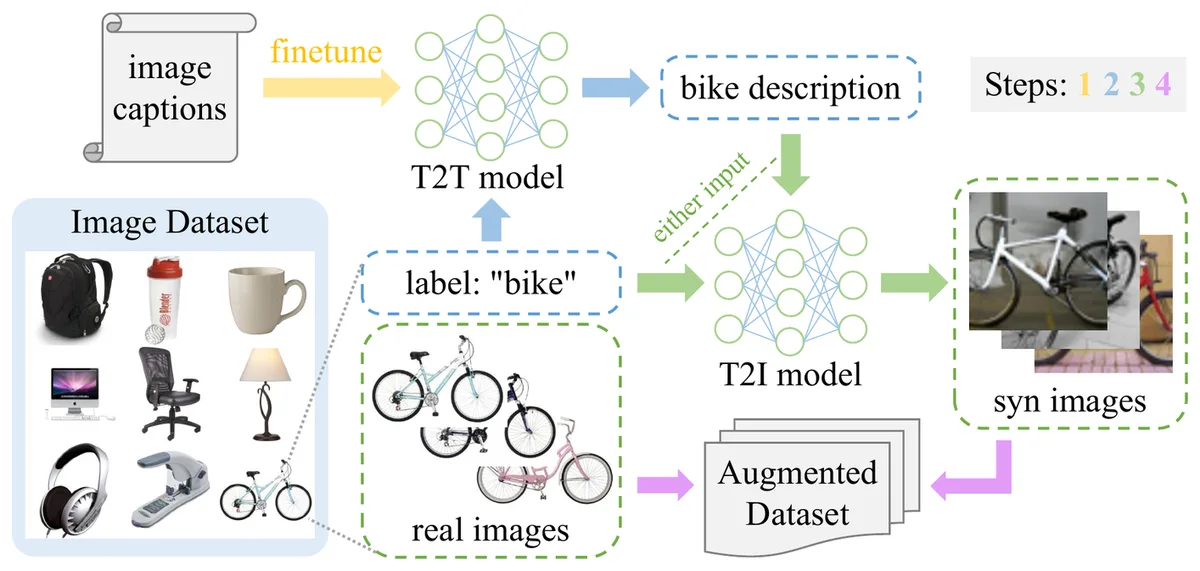
Yuwei Yin, Jean Kaddour, Xiang Zhang, Yixin Nie, Zhenguang Liu, Lingpeng Kong, Qi Liu, arXiv 2023
• What: We generate synthetic training data for vision classification models.
• Why: Think of it as knowledge distillation from generative to discriminative models.
• Trivia: This is sort of the training-equivalent of Spawrious.
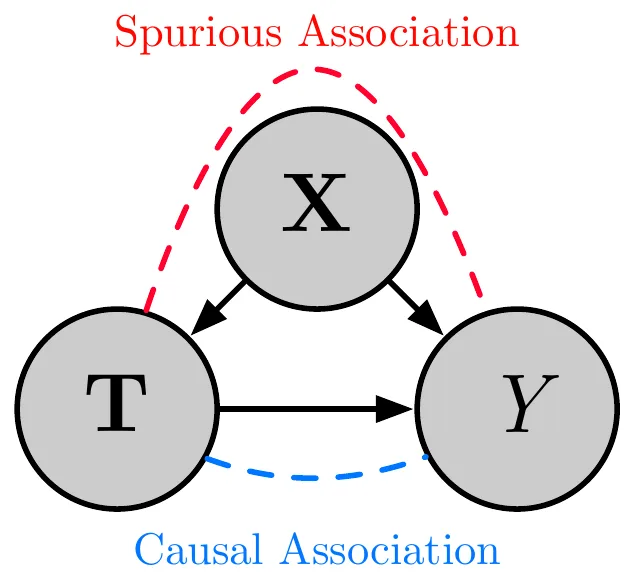
Jean Kaddour, Aengus Lynch, Qi Liu, Matt J. Kusner, Ricardo Silva, Foundations and Trends in Optimization, 2022
• What: A survey of how causality can be applied to ML problems.
• Why: Causality allows you to make assumptions about the data-generating process.
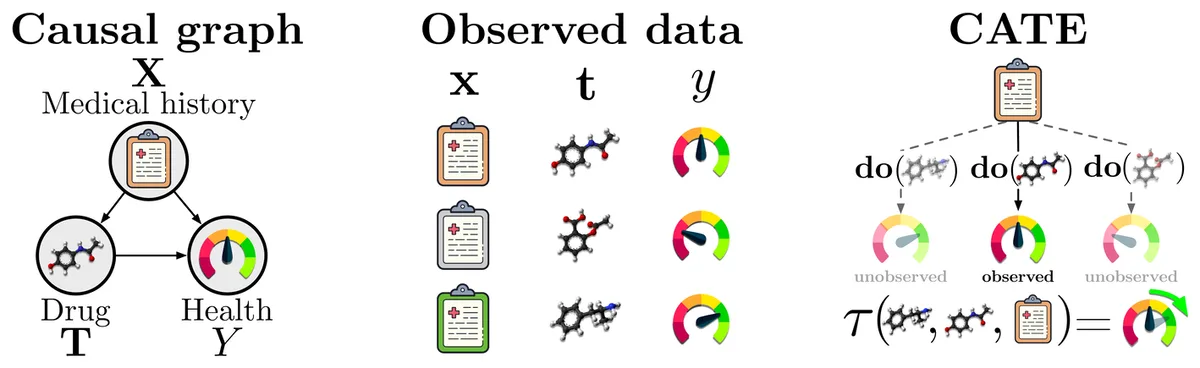
Jean Kaddour, Yuchen Zhu, Qi Liu, Matt J. Kusner, Ricardo Silva, NeurIPS 2021
• What: We generalize the Robinson decomposition to treatment embeddings.
• Why: We can now use eg., an embedding of a drug's molecular graph.
Jean Kaddour∗, Steindór Sæmundsson∗, Marc Peter Deisenroth, NeurIPS 2020
• What: We make meta-learning more sample-efficient by letting the model guide the task selection.
• Why: Acquiring datasets can be expensive and slow. Let's make sure we make it worth it.